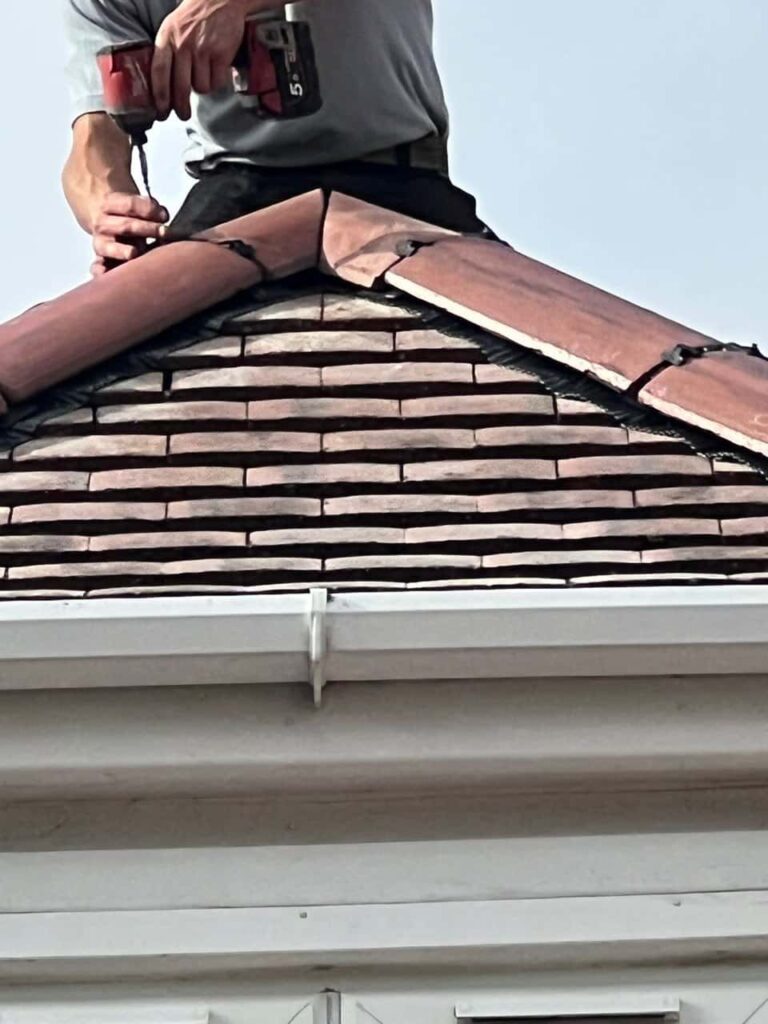
A small roof leak may seem like a minor inconvenience, particularly if it only causes an occasional damp patch or a few drops of water during heavy rain. However, leaving the problem unresolved during winter can allow moisture to spread and cause more extensive damage to a property.
Cold weather, persistent rainfall and strong winds can place additional pressure on roofing materials. Even a small weakness around tiles, flashing or roof joints can allow water to enter, making timely roof repairs particularly important.
For homeowners in Devizes, Wiltshire, understanding the risks of winter roof leaks can help prevent avoidable damage and protect the condition of the property.
Why Small Roof Leaks Can Become Serious in Winter
Winter weather can expose weaknesses that may have gone unnoticed during drier months. Rainwater can enter through damaged tiles, deteriorating flashing or gaps around roof features, gradually affecting the materials beneath the outer covering.
When temperatures fall, trapped moisture may also freeze and expand. This can worsen existing cracks or gaps, allowing further water to penetrate when conditions become warmer.
A leak that initially appears minor can therefore become more difficult to manage if it is repeatedly exposed to wet and cold weather.
Damage to Roof Timbers and Insulation
One of the main dangers of an unresolved roof leak is the damage moisture can cause to the roof structure.
Water entering through the roof may reach rafters, battens and other timber components. Prolonged exposure to damp conditions can encourage timber decay and weaken parts of the structure over time.
Insulation can also be affected. When loft insulation becomes wet, its ability to retain heat may be reduced. This can make it harder to maintain comfortable indoor temperatures and may contribute to increased heat loss.
Having a roof leak investigated early helps identify whether moisture has spread beyond the visible point of entry.
Damp, Mould and Indoor Air Quality
Water entering through a damaged roof does not always remain in the loft. It can travel along structural materials before appearing on ceilings or upper walls, meaning the visible damp patch may not be directly beneath the source of the leak.
Persistent moisture can create conditions that encourage mould growth. Common warning signs include:
- Dark patches or staining on ceilings and walls.
- Peeling paint or bubbling plaster.
- Musty smells in upstairs rooms or loft spaces.
- Visible mould around ceiling corners or roof junctions.
- Damp insulation or wet timber in the loft.
Addressing the roof defect is an important part of resolving the problem. Any internal moisture damage may also require appropriate drying and remedial work.
Electrical and Property Safety Concerns
Water entering a property can create additional safety concerns if it reaches electrical fittings, lighting circuits or wiring. A leak near ceiling lights or other electrical equipment should never be ignored.
If water is close to electrical fittings, avoid touching the affected equipment and seek advice from a qualified electrician. Do not attempt to investigate the leak in an unsafe loft space or climb onto the roof during poor weather.
Professional roof inspections can help locate the source of water ingress without unnecessary risks to the property owner.
Common Causes of Winter Roof Leaks
Several roofing problems can allow water to enter during the colder months. Identifying the underlying cause is essential for choosing an effective repair.
Common causes include:
- Slipped or broken roof tiles: Damaged or displaced tiles can expose the layers beneath the roof covering.
- Faulty lead flashing: Deteriorated flashing around chimneys and roof junctions can create gaps where rainwater enters.
- Blocked gutters: Leaves and debris can prevent rainwater from draining away properly, allowing it to overflow or affect surrounding roof areas.
- Damaged flat roofing: Cracks, splits or weakened joints can allow water to penetrate flat roof coverings.
- Deteriorating roof joints: Ageing seals and vulnerable connections around roof features may allow moisture through.
A professional inspection can establish whether the issue requires a localised repair or more extensive attention.
Why Prompt Roof Repairs Matter
Dealing with a small leak promptly can help prevent moisture from spreading into other parts of the property. It also allows the underlying roofing problem to be addressed before repeated exposure to winter weather makes the damage worse.
Temporary measures may help manage immediate water ingress, but they should not replace a proper inspection and lasting repair. Simply covering an internal stain or repainting a damp ceiling will not resolve the source of the problem.
MCM Roofing Repairs Devizes provides professional roofing repair services in Devizes, Wiltshire. Whether the issue involves slipped tiles, damaged flashing, flat roof defects or another source of water ingress, having the roof assessed can help determine the appropriate repair.
Conclusion
Ignoring a small roof leak during winter can lead to damaged timbers, wet insulation, mould growth and further deterioration of the roofing system. What begins as a minor issue may become more disruptive if water continues to enter the property.
If you notice damp patches, ceiling stains or signs of water ingress, arranging a professional roof inspection is a sensible next step. Contact MCM Roofing Repairs Devizes to discuss your roofing concerns and help protect your property throughout the winter months.
Call us on: 01380 713 780
Click here to find out more about MCM Roofing Repairs Devizes
Click here to complete our contact form and see how we can help with your roofing needs